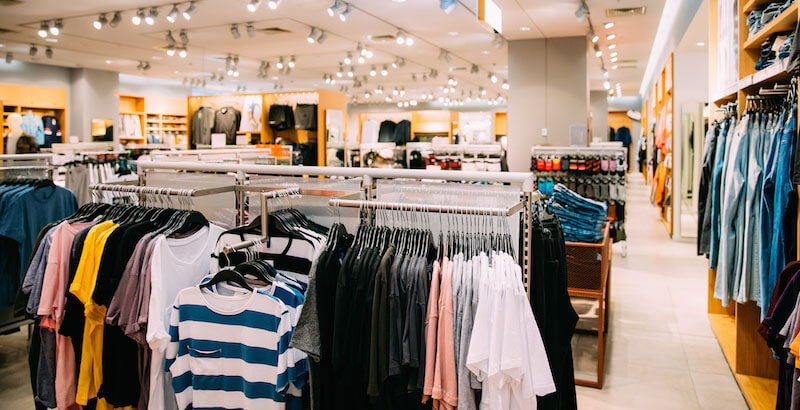
Introduction to the Outlet Store Phenomenon
Outlet stores have evolved from simple clearance centers into powerful players in the global retail ecosystem. Once used primarily to sell excess inventory, they now represent a strategic retail channel that influences pricing, branding, and consumer behavior.
Their rapid expansion has reshaped how brands operate, forcing traditional retail stores to adapt or risk losing relevance.
Shift in Consumer Buying Behavior
Outlet stores have significantly changed how people shop.
- Shoppers now expect premium brands at discounted prices
- The idea of paying full price is increasingly questioned
- Consumers are more deal-driven and price-sensitive
This shift has created a culture where value outweighs exclusivity, especially among younger and budget-conscious buyers.
Pressure on Traditional Retail Stores
Changing Pricing Strategies
Outlet stores have forced traditional retailers to rethink their pricing models:
- Frequent discounts and promotions are now common
- “Full price” items are often perceived as overpriced
- Retailers must justify higher prices through quality or experience
As a result, the line between discount retail and premium retail continues to blur.
Impact on Profit Margins
While outlet stores generate revenue, they also create challenges:
- Lower prices can reduce overall profit margins
- Brands must balance affordability with profitability
- Over-reliance on discounts can weaken long-term pricing power
This forces companies to carefully manage how much inventory flows into outlet channels.
Transformation of Brand Strategy
Outlet stores are no longer an afterthought—they are integrated into brand strategy.
1. Dual Product Lines
Brands now create:
- Premium collections for retail stores
- Cost-effective lines for outlet stores
This separation helps maintain brand prestige while expanding reach.
2. Controlled Brand Perception
Companies carefully design outlet experiences to ensure:
- The brand still feels authentic and desirable
- Discounts don’t damage brand reputation
- Customers see value without questioning quality
Supply Chain and Inventory Management
Outlet stores have transformed how brands manage inventory:
- Reduce dependency on unsold stock
- Enable planned production for outlets
- Improve inventory turnover rates
This leads to more efficient operations and less waste across the supply chain.
Growth of Destination Shopping
Outlet malls are often located outside city centers, turning them into shopping destinations rather than casual stops.
- Encourage bulk and planned shopping trips
- Boost local tourism and surrounding businesses
- Offer a mix of shopping, dining, and entertainment
This shift has expanded retail beyond traditional urban spaces.
Impact on E-commerce and Online Retail
Outlet strategies have also influenced online retail:
- Rise of online outlet platforms
- Increased competition in pricing across digital channels
- Consumers compare deals instantly before purchasing
Brands must now maintain consistent pricing strategies across both physical and digital outlets.
Challenges Created by Outlet Stores
While beneficial, outlet stores also introduce complications:
- Brand dilution risk if discounts are too frequent
- Confusion between retail-quality and outlet-quality products
- Potential loss of exclusivity for premium brands
Companies must strike a balance to avoid undermining their core identity.
Opportunities for Retail Growth
Despite challenges, outlet stores offer major growth opportunities:
- Expand into price-sensitive markets
- Increase brand accessibility
- Generate revenue from multiple product tiers
They allow brands to capture a broader audience without abandoning their premium positioning.
Final Thoughts
Outlet stores have become a driving force in modern retail, influencing everything from pricing strategies to brand perception. They offer undeniable benefits—both for consumers seeking value and for brands looking to grow.
However, their impact is complex. Success depends on how well companies balance discount accessibility with brand integrity.
FAQs
1. Why have outlet stores become so popular?
They offer branded products at lower prices, appealing to cost-conscious consumers.
2. Do outlet stores hurt traditional retail businesses?
They can create competition and pricing pressure, but also open new revenue streams for brands.
3. Are outlet stores part of a brand’s official strategy?
Yes, most major brands now include outlet stores as a planned part of their retail model.
4. How do outlet stores affect brand value?
If managed carefully, they enhance reach; if overused, they may dilute brand perception.
5. Do outlet stores reduce waste in retail?
Yes, they help clear excess inventory and improve supply chain efficiency.
6. Are outlet prices always the best deals?
Not always—some items are made specifically for outlets, so comparing value is important.
7. Will outlet stores replace traditional retail stores?
Unlikely. Both formats serve different purposes and are expected to coexist.
