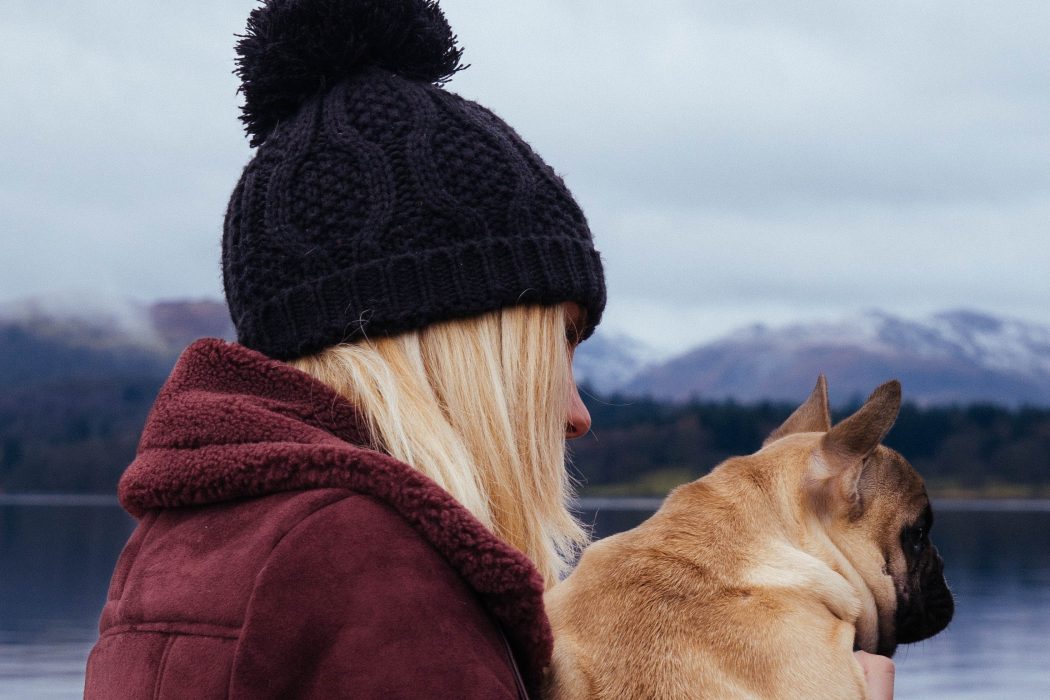
Cooler weather often makes headwear an important daily choice. A well-made beanie adds warmth without creating unnecessary bulk. Soft materials can improve comfort during commutes, walks, errands, or outdoor breaks. Shape, fabric, thickness, and fit each influence performance. The right combination creates dependable coverage while preserving a neat appearance. Seasonal styling also becomes easier when texture and colour work together naturally.
Soft Fabrics Create Gentle Head Coverage
Fabric quality shapes the first impression of comfort. Soft fibers reduce rough contact against sensitive skin. A flexible knit also follows natural head movement. Fine stitching helps prevent loose threads and uneven edges. For regular wear, breathable construction can limit trapped heat. This balance keeps warmth useful without creating excessive weight.
Which Knit Structure Handles Cooler Weather?
Knit density affects insulation more than appearance alone. Tighter patterns block cold air more effectively during brisk conditions. Looser structures allow greater airflow for milder temperatures. Ribbed designs can stretch around the head without feeling restrictive. A beanie with balanced elasticity also keeps its shape after repeated use.
Key details worth checking include:
- Choose flexible ribbing for adaptable head coverage.
- Select dense knitting for colder outdoor conditions.
- Check seams before committing to regular wear.
- Prefer soft finishes against exposed skin.
Everyday Styling Benefits From Simple Shapes
Clean silhouettes make seasonal headwear easier to coordinate. Neutral shades can support casual jackets and heavier layers. Folded cuffs add structure around the forehead. Shorter crowns create a sharper visual profile. Slouchier shapes offer a relaxed appearance with additional fabric movement. Styling works best when proportion matches the rest of an outfit.
Can Fit Improve Comfort During Long Wear?
Fit matters when headwear remains on for extended periods. Excess pressure can create discomfort around the forehead. Excess looseness may cause repeated adjustment during movement. Stretch recovery helps maintain position without excessive compression. A suitable size should sit securely while allowing natural head movement.
Useful fit checks include:
- The cuff should rest smoothly.
- Stretch should feel supportive rather than tight.
- The crown should avoid excessive sagging.
- Movement should not disturb the overall position.
- Edges should remain comfortable during extended wear.
Seasonal Colours Add Subtle Visual Character
Colour can change the overall impression without dominating an outfit. Earthy shades create a grounded seasonal appearance. Deeper tones can add visual weight near the face. Lighter neutrals keep heavier outer layers looking balanced. Texture also matters because raised knitting catches light differently from smooth fabric. Thoughtful colour selection makes repeated outfits feel less predictable.
Colour choices can follow several practical principles:
- Match darker outerwear with softer neutral tones.
- Use muted shades for versatile daily combinations.
- Add richer colours when outfits need contrast.
- Keep texture visible through simple layering choices.
Small Details Can Extend Daily Use
A useful winter accessory should handle more than cold temperatures. Care requirements influence how convenient regular ownership becomes. Gentle washing helps preserve softness and shape. Proper drying reduces unwanted stretching across the crown. Storage also matters because compressed knitting can lose its original form. Durable construction turns seasonal headwear into a repeat wardrobe option.
The strongest value often comes from small choices. A comfortable cuff prevents constant adjustment. A stable knit maintains shape during movement. Soft material supports longer wear without distraction. These details make seasonal dressing simpler while preserving a polished appearance.
Texture Turns Warmth Into Style
Softness solves comfort, but texture creates character. A fine ribbed cuff can frame the face neatly without visual heaviness. That small structural detail changes how an outfit reads from close range. Seasonal warmth therefore becomes more than insulation; it becomes a quiet styling tool that supports consistency from morning commutes through evening walks.
FAQs
What fabric feels best for regular wear?
Soft natural or blended fibres can provide comfortable warmth. Breathable construction also helps manage heat during longer periods.
Does knit thickness affect warmth?
Yes, denser knitting can provide stronger insulation. Lighter structures may suit moderate temperatures and active outdoor routines.
How should a beanie fit?
A suitable fit should remain secure without excessive pressure. The cuff should stay comfortable across the forehead during movement.
Can seasonal headwear complement formal clothing?
Simple shapes and restrained colours can coordinate with smarter outfits. Minimal texture often creates a cleaner appearance than oversized designs.
