Naufal Shop – Online Shopping Benefits – Find Out What You Need

Introduction
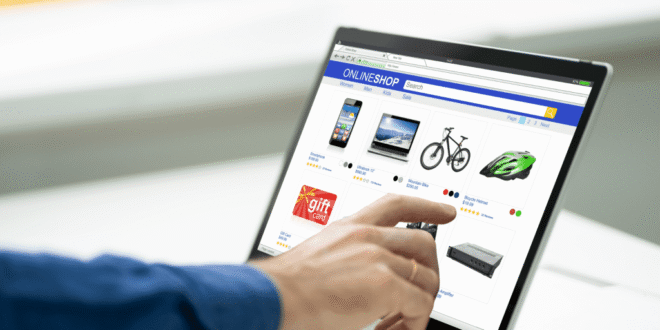
Online shopping has transformed how people buy goods and services. With just a few clicks, consumers can browse thousands of products, compare prices, read reviews, and have items delivered to their doorstep. What began as a convenience has now become a dominant global habit, driven by technology, fast logistics, and changing consumer behavior.
What is Online Shopping?
Online shopping refers to the process of purchasing products or services over the internet through websites or mobile apps. Instead of visiting physical stores, customers explore digital marketplaces, add items to a cart, and complete transactions electronically.
Key Features of Online Shopping
- 24/7 Availability: Shop anytime without store hour restrictions
- Wide Product Range: Access global products from multiple sellers
- Price Comparison: Easily compare prices across platforms
- Customer Reviews: Make informed decisions based on real feedback
- Home Delivery: Products arrive directly at your location
Advantages of Online Shopping
Online shopping offers several benefits that make it appealing to modern consumers.
Convenience and Time-Saving
Shopping online eliminates the need to travel, wait in lines, or search through crowded stores. Everything is accessible from your device.
Better Deals and Discounts
E-commerce platforms often provide exclusive discounts, seasonal sales, and promotional offers, making it easier to save money.
Variety and Accessibility
From electronics to groceries, you can find almost anything online. Even rare or niche products are easier to locate.
Easy Returns and Refunds
Many platforms offer hassle-free return policies, improving customer confidence.
Disadvantages of Online Shopping
Despite its advantages, online shopping also has some limitations.
Lack of Physical Inspection
Customers cannot physically touch or test products before buying, which can lead to mismatched expectations.
Delivery Delays
Shipping may take time, especially for international orders or during peak seasons.
Security Concerns
Sharing personal and financial information online can pose risks if the platform is not secure.
Overdependence on Reviews
Fake or misleading reviews can affect purchasing decisions.
Tips for Safe Online Shopping
To ensure a safe and satisfying experience, follow these best practices:
- Shop from Trusted Websites: Choose well-known platforms with secure payment systems
- Check URL Security: Look for “HTTPS” and a padlock icon in the browser
- Read Reviews Carefully: Focus on detailed and verified reviews
- Avoid Public Wi-Fi Transactions: Use secure networks when making payments
- Use Strong Passwords: Protect your accounts from unauthorized access
- Monitor Bank Statements: Keep track of transactions for unusual activity
Popular Categories in Online Shopping
Some of the most commonly purchased items online include:
- Electronics: Smartphones, laptops, accessories
- Fashion: Clothing, footwear, and accessories
- Home Essentials: Furniture, kitchenware, decor
- Groceries: Daily essentials and fresh produce
- Beauty Products: Skincare, cosmetics, personal care
The Future of Online Shopping
The future of online shopping looks promising, with continuous innovation shaping the experience.
Emerging Trends
- AI-Powered Recommendations: Personalized shopping experiences
- Augmented Reality (AR): Try products virtually before buying
- Voice Shopping: Use voice assistants to place orders
- Faster Deliveries: Same-day or even instant delivery services
- Sustainable Shopping: Eco-friendly packaging and ethical sourcing
As technology advances, online shopping will become even more intuitive, efficient, and customer-focused.
Conclusion
Online shopping has redefined convenience and accessibility in the retail world. While it offers numerous benefits like variety, competitive pricing, and ease of use, it also requires cautious behavior to avoid risks. By following safe practices and staying informed, consumers can enjoy a seamless and rewarding shopping experience.
Frequently Asked Questions (FAQs)
1. Is online shopping safe?
Yes, it is generally safe if you use trusted websites, secure payment methods, and follow basic safety precautions.
2. How can I identify a reliable online store?
Look for customer reviews, secure website indicators (HTTPS), return policies, and clear contact information.
3. What payment methods are best for online shopping?
Credit cards and trusted digital wallets are usually safer due to fraud protection features.
4. Can I return products purchased online?
Most platforms offer return and refund policies, but conditions may vary depending on the seller.
5. Why are online prices often cheaper?
Online stores save on operational costs like rent and staffing, allowing them to offer lower prices.
6. What should I do if I receive a damaged product?
Immediately contact customer support, provide evidence (photos), and request a replacement or refund.
7. How can I avoid online shopping scams?
Avoid deals that seem too good to be true, verify seller authenticity, and never share sensitive information unnecessarily.