 Naufal Shop – Online Shopping Benefits – Find Out What You Need

Introduction
The automotive industry is undergoing a rapid transformation driven by technological advancements, environmental concerns, and evolving consumer expectations. From electric vehicles to autonomous driving systems, the modern automobile is no longer just a mode of transport—it’s becoming a smart, connected ecosystem.
Electric Vehicles (EVs): The Shift Toward Sustainability
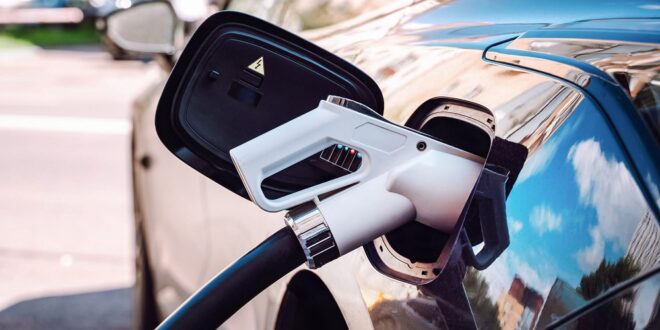
One of the most significant developments in the automotive sector is the rise of electric vehicles. Governments worldwide are pushing for reduced emissions, encouraging automakers to transition away from internal combustion engines.
Key Benefits of EVs
- Zero tailpipe emissions, reducing air pollution
- Lower running costs compared to petrol or diesel vehicles
- Quiet operation, enhancing driving comfort
- Energy efficiency, with better conversion of energy into motion
Challenges Facing EV Adoption
- Limited charging infrastructure in some regions
- Higher upfront costs
- Battery recycling and lifespan concerns
Despite these challenges, EV adoption continues to grow as technology improves and costs decline.
Autonomous Driving: The Road to Self-Driving Cars
Autonomous driving technology is reshaping how vehicles operate. Advanced driver-assistance systems (ADAS) are already common, offering features like lane-keeping assist and adaptive cruise control.
Levels of Automation
- Level 1–2: Driver assistance (widely available today)
- Level 3–4: Conditional to high automation (emerging technologies)
- Level 5: Fully autonomous vehicles (future goal)
Advantages
- Reduced human error and accidents
- Improved traffic efficiency
- Enhanced accessibility for elderly and disabled individuals
However, regulatory, ethical, and safety concerns still need to be addressed before full autonomy becomes mainstream.
Connected Cars: The Rise of Smart Mobility
Modern vehicles are increasingly connected, integrating with smartphones, cloud services, and other vehicles.
Core Features of Connected Cars
- Real-time navigation and traffic updates
- Remote diagnostics and vehicle monitoring
- Over-the-air (OTA) software updates
- Integration with smart home systems
Connected technology enhances convenience while also enabling predictive maintenance and improved safety.
Alternative Fuels and Hybrid Technologies
While EVs dominate the conversation, alternative fuels and hybrid vehicles still play a crucial role.
Types of Alternative Powertrains
- Hybrid Electric Vehicles (HEVs): Combine petrol engine with electric motor
- Plug-in Hybrids (PHEVs): Can be charged externally for extended electric range
- Hydrogen Fuel Cell Vehicles: Produce electricity using hydrogen
These technologies provide transitional solutions while infrastructure for full electrification develops.
Safety Innovations in Modern Vehicles
Safety has always been a priority in automotive design, but modern innovations are taking it to a new level.
Advanced Safety Features
- Automatic Emergency Braking (AEB)
- Blind Spot Detection
- Lane Departure Warning
- 360-degree camera systems
These features significantly reduce the likelihood of accidents and enhance driver awareness.
Sustainable Manufacturing and Materials
Automakers are not only focusing on cleaner vehicles but also on sustainable production processes.
Key Developments
- Use of recycled and biodegradable materials
- Reduction of carbon footprint in manufacturing plants
- Adoption of renewable energy sources in production
Sustainability is becoming a core principle across the entire automotive lifecycle.
Conclusion
The automotive industry is entering a new era defined by electrification, automation, and connectivity. While challenges remain, the pace of innovation suggests a future where vehicles are cleaner, safer, and smarter than ever before. As technology continues to evolve, the way people interact with transportation will fundamentally change.
Frequently Asked Questions (FAQs)
1. Are electric vehicles cheaper to maintain than traditional cars?
Yes, EVs generally have fewer moving parts, leading to lower maintenance costs and reduced servicing requirements.
2. How long does it take to charge an electric car?
Charging time varies from 30 minutes (fast chargers) to several hours (home chargers), depending on battery size and charger type.
3. Are self-driving cars completely safe?
Not yet. While they reduce human error, autonomous systems still require testing and regulatory approval before widespread adoption.
4. What is the lifespan of an EV battery?
Most EV batteries last between 8–15 years, depending on usage, climate, and charging habits.
5. What is the difference between hybrid and plug-in hybrid vehicles?
Hybrid vehicles charge their batteries internally, while plug-in hybrids can be externally charged for longer electric-only driving.
6. Can connected cars be hacked?
While security measures are improving, connected cars can be vulnerable. Manufacturers continuously update systems to prevent cyber threats.
7. Will petrol and diesel cars be phased out completely?
Many countries plan to phase them out over time, but the transition will vary based on infrastructure and policy changes.


